
Short-Form Content and the Social Cost of a Quick Scroll

"Doom-scrolling:" consuming large quantities of content, often to the detriment of one's own health. During the early days of the COVID-19 pandemic (a wild mix of anxiety and boredom ever-present), the rise of watchtime on YouTube and TikTok started making this phenomena more culturally known, And people usually attributed this to the availability of "Short-Form Content (SFC)".
People (myself included) seemed to yearn toward these short form videos. I really didn't like them, but I continue to watch, compelled. I was compulsively seeking out more updates, more anxiety-inducing headlines, stuck in a loop of digital negativity.
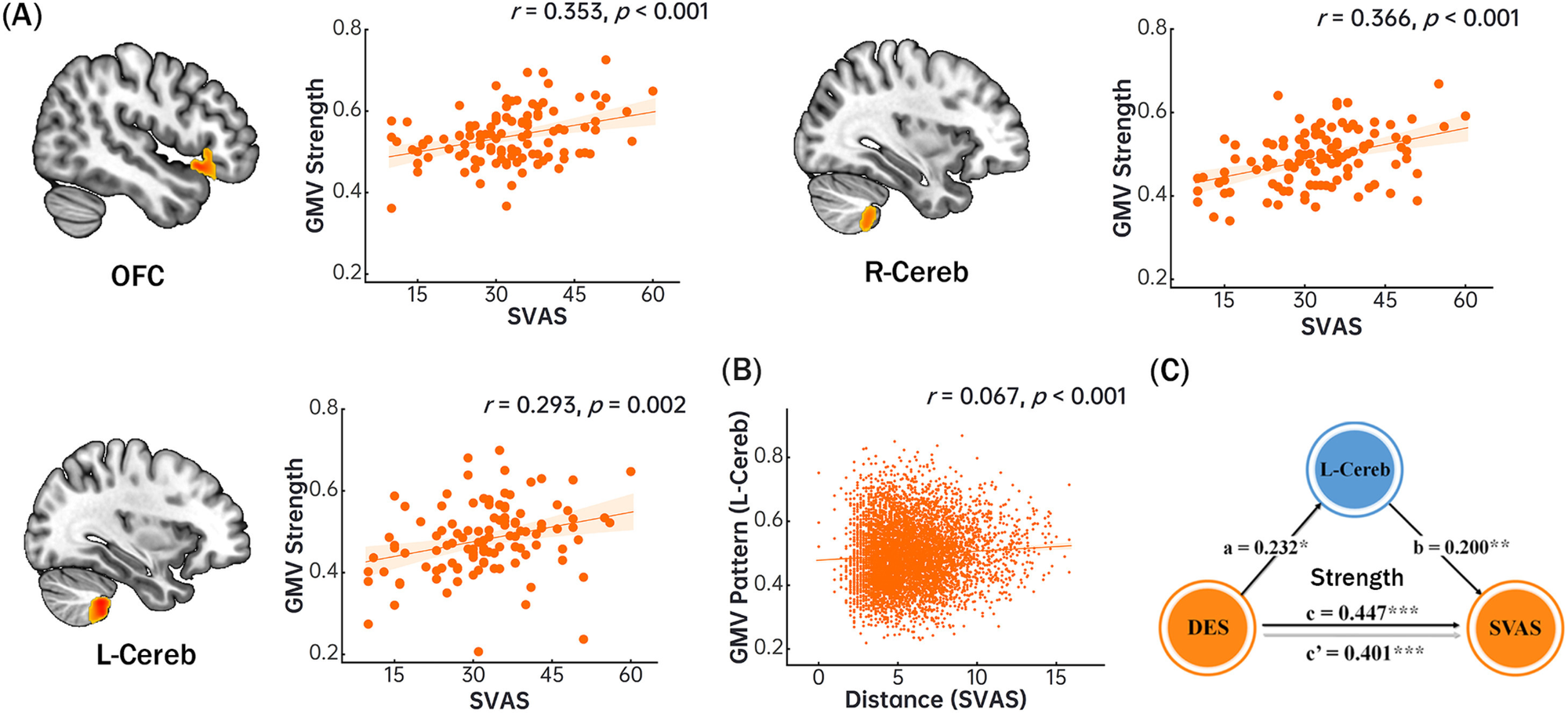
Almost addictive. And after researching more, here is a damning statement:
This may not be that damning to those who already believe that, but it was revolutionary to me (especially for someone that worked at YouTube). While the platforms provide immense value in rapid information sharing, we must address the social cost of the quick scroll.
The Psychological Hook
The popularity of SFC is not an accident (look at Vine); it is engineered (accidental as it may have been) using some psychological principles and causes overarching problems.
The Dopamine Loop and Addiction
The constant stream of stimulating video clips is highly effective at triggering a dopamine surge in the brain. Dopamine is involved in reward-motivated behavior. Each swipe brings a new, unpredictable reward, creating a loop similar to addictive behavior.
This constant stimulation trains and alters (alter being that our actual brain changes structure) our brains to seek immediate pleasure and instant gratification, which can reduce our tolerance for slower, more demanding tasks. Imagine sitting down to read a long news article. After an hour of Reels, that task can feel unrewarding and, frankly, boring.
The Erosion of Sustained Attention
With this change in dopamine, SFC more directly has an impact on our attentional control and sustained attention. Rapid context-switching in short-form content reduces the brain's stamina for sustained focus. This Focus Stamina is our ability to concentrate on one task for a long period, which is needed for deep work, learning, and critical analysis, which sucks if we can’t control it.
This rapid consumption can also contribute to emotional dysregulation, reducing our ability to manage impulses and stress because our brain is constantly seeking the next quick reward instead of sitting with a challenge.
The Social and Academic Toll
The effects of SFC can move beyond the biological and psychological:
- Academic procrastination is strongly linked to short-form video addiction, particularly among students who struggle with attentional control.
- Mental health concerns, including increased anxiety, depressive symptoms, and sleep disturbances, have been linked to excessive engagement with this kind of content.
- SFC is closely tied to Social Media Addiction, which is also tied to increased feelings of FOMO and general social anxiety which can cultivate social isolation and interpersonal challenges.
Adding all these together can take a toll on any person, more so on younger, growing individuals.
SFC in Journalism and Information Sharing
Since I am personally interested on improving the News ecosystem (and knowing that YouTube and TikTok blew up during a global pandemic), it thought it best to talk about SFC and global journalism.
So SFC isn't just for entertainment, it's rapidly becoming a primary vehicle for news and information, particularly for younger demographics. Like many things, there are some good things and some bad things.
Pros: The Speed of Information
SFC has clear benefits for information sharing:
- Accessibility: It breaks down complex topics into easily digestible pieces, often employing edu-tainment (educational entertainment) to simplify learning. News organizations like the BBC and The Washington Post now use Reels and Shorts to deliver quick updates.
- Rapid Virality: SFC's structure allows important messages to spread quickly, promoting awareness and mobilizing action.
@washingtonpost Elon Musk founded his new company, X.AI, in Nevada last month. In a pre-recorded interview with Tucker Carlson, Musk talked about his plans for “TruthGPT,” an AI product he plans to deploy to compete with Microsoft and Google.
♬ original sound - Spotify🤍🩻
Cons: The Risk to Critical Thinking
The need for speed in SFC, however, poses risks to journalistic depth and critical analysis.
- Complex issues require nuance, context, and in-depth reporting, which is difficult to convey in a 30-to-60-second clip.
- News is often reduced to the most emotional or visually engaging snippet, which can emphasize sensationalism and shape public opinion quickly, often without the necessary background.
We can create a society that is rapidly informed, but only on a surface level. This makes it challenging for us to engage with the fruitful discussion necessary for democratic function and problem-solving.
Platform Responsibility 💡
If this technology is going to be so influential to everyone, the responsibility must extend beyond the user. The platforms themselves (and the people behind the app) must rethink how they work.
1. Build in Healthy Boundaries
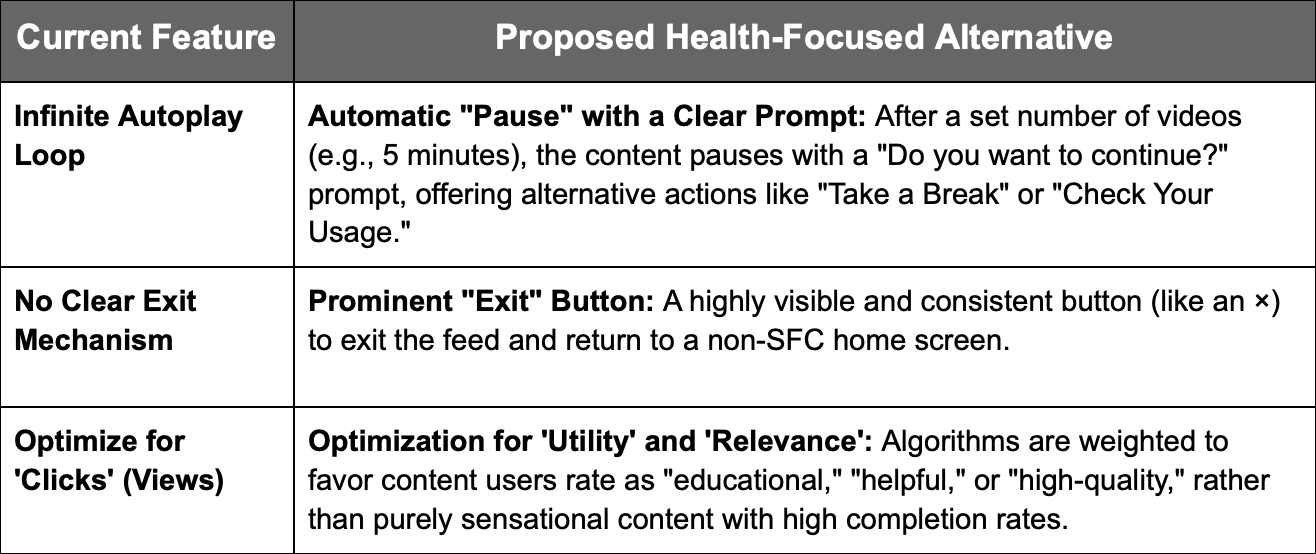
Platforms should design for mindful disengagement, not just maximum time-on-app. This can be achieved by introducing friction points for continuous scrolling.
2. Prioritize Relevance and Utility
Algorithms should shift their core objective from maximizing engagement (time-on-app) to maximizing user satisfaction and utility. This means using ML/AI to:
- Identify and prioritize content that a user explicitly saves, shares, or researches further, indicating real-world value, over just content they idly watch.
- Encourage diverse content consumption by introducing videos outside the user's immediate interest bubble (the filter bubble), which helps disengage but also prevent people getting stuck.
3. Embrace Societal Implications in Business Objectives
The leaders of these platforms must understand that their product development decisions are no longer purely technical; they are deeply societal. Just as journalists consider the ethical implications of how they frame a story, platform developers must consider the ethical implications of how their algorithms drive behavior.
Incorporating measurable goals related to user well-being, like a reduction in self-reported stress or an increase in reported utility of information, must become as important as growing daily active users.
What Do You Think?
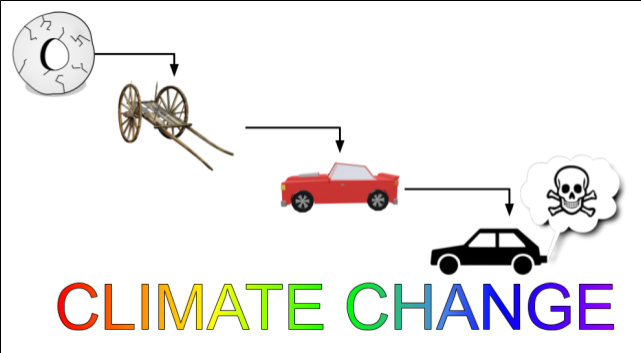
The innovation that gave us Short-Form Content is immense and valuable. It has democratized creation and communication. However, it has side effects (like the invention of the wheel has butterfly-effected its way into climate change), and it is our collective duty, as users, journalists, and software creators, to mitigate the harm while amplifying the good.
Do you find that your attention span has changed in recent years, and what specific design choices on social media platforms do you believe have the most significant positive or negative impact on your focus?

Comments ()